DR. JAIN'S BONE & JOINT CLINIC, JAIPUR

Shoulder Replacement Surgery in Jaipur

Dr. Rohan Jain MBBS, MS (Ortho), DNB ( Ortho), FJRS, FIMS

Restore strength & movement with advanced Shoulder Replacement Surgery in Jaipur by Dr. Rohan Jain. From accurate diagnosis to faster recovery – find lasting relief from shoulder pain and return to daily life with confidence.

BOOK APPOINTMENT
Shoulder replacement
About Shoulder Replacement Surgery

Overview - Shoulder Replacement Surgery in Jaipur

The shoulder joint plays an important role in everyday movements such as lifting, reaching, and rotating the arm. When severe shoulder pain, stiffness, arthritis, or joint damage begins to affect daily activities and sleep quality, shoulder replacement surgery may be recommended for long-term relief. Dr. Rohan Jain, a trusted Shoulder Pain Specialist in Jaipur, provides advanced diagnosis and modern surgical treatment to help patients reduce pain, restore shoulder movement, and improve overall quality of life.

What is a Shoulder Replacement Surgery?

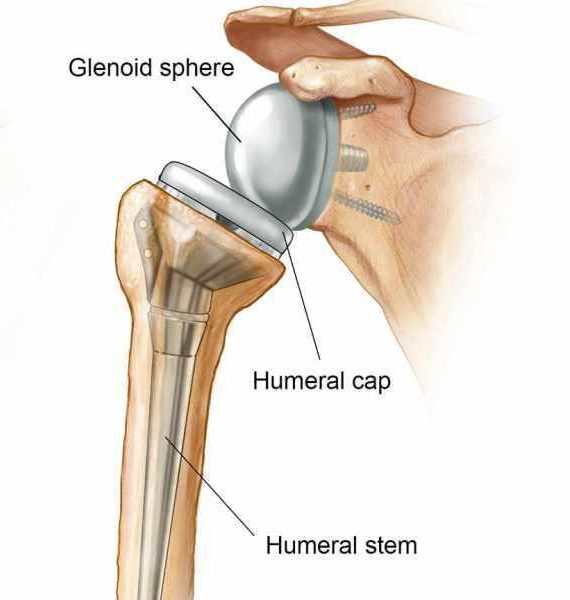
A shoulder replacement surgery aims to alleviate pain and restore function by substituting impaired segments of the shoulder joint with synthetic components known as prostheses. This procedure is typically performed to address conditions such as osteoarthritis, rotator cuff tear arthropathy, avascular necrosis, or rheumatoid arthritis. Its primary objectives are to alleviate discomfort, enhance muscular power, expand your range of motion, and facilitate the utilization of your shoulder and arm.

Contact Us

We are served since 11+ years to our patients with trust and we are happy.

Years Of Experience

11+

Years Of Experience

Patient Treated

10000+

Patient Treated

Surgery Done

2000+

Surgery Done

When is shoulder replacement needed?

Shoulder replacement surgery is typically considered when conservative treatments, such as medication, physical therapy, and lifestyle modifications, no longer provide sufficient relief from pain and impaired mobility caused by shoulder joint damage or conditions. Some common reasons when shoulder replacement might be needed include:

Osteoarthritis: This is the most common reason for shoulder replacement. Osteoarthritis occurs when the cartilage that cushions the joint wears away, leading to bone-on-bone contact and resulting in pain, stiffness, and decreased range of motion.

Rheumatoid Arthritis: Inflammatory arthritis like rheumatoid arthritis can cause damage to the shoulder joint, leading to pain and reduced function.

Post-Traumatic Arthritis: If the shoulder joint has been injured due to a fracture or severe trauma, it may lead to the development of arthritis over time, necessitating replacement.

Avascular Necrosis: In cases where the blood supply to the humeral head (the ball of the shoulder joint) is compromised, the bone may deteriorate, leading to the need for replacement.

Rotator Cuff Tear Arthropathy: A severe, irreparable rotator cuff tear can cause changes in the shoulder joint that can result in arthritis and require replacement.

Failed Previous Shoulder Surgery: If previous surgical interventions have not provided relief or have led to complications, shoulder replacement might be considered a last resort.

Severe Fractures: In cases of severe fractures involving the shoulder joint, replacement may be necessary to restore function and relieve pain.

Glenohumeral Joint Instability: When the shoulder joint becomes unstable due to various reasons, it can lead to pain and difficulty in daily activities, potentially requiring replacement.

Types of shoulder replacement surgery

There are several types of shoulder replacement surgeries, each designed to address different conditions and degrees of shoulder joint damage. Here are the main types:

Total Shoulder Replacement (Total Shoulder Arthroplasty): This involves replacing both the ball (head of the humerus) and the socket (glenoid) of the shoulder joint with artificial components. It is commonly performed to treat severe arthritis or joint degeneration.

Partial Shoulder Replacement (Hemiarthroplasty): In this procedure, only the ball (head of the humerus) is replaced with a prosthetic component. It is often used when the humeral head is significantly damaged, but the glenoid is relatively healthy.

Reverse Total Shoulder Replacement (Reverse Shoulder Arthroplasty): This type of replacement is used when there are complex issues such as massive rotator cuff tears or severe arthritis combined with a deficient rotator cuff. It involves reversing the normal anatomy of the shoulder joint by placing the socket component on the humerus and the ball component on the scapula. This design allows other muscles to compensate for the lack of a functioning rotator cuff.

Resurfacing Shoulder Replacement: Similar to hip resurfacing, this procedure involves capping the existing bone surfaces with metal implants rather than completely replacing the joint. It is typically considered for younger, more active patients with good bone quality.

Revision Shoulder Replacement: This surgery is performed when a previous shoulder replacement has failed, often due to loosening, infection, or other complications. It involves removing the failed components and replacing them with new ones.

What is the procedure involved in shoulder replacement surgery?

An overview of the procedure involved in shoulder replacement surgery: Shoulder replacement surgery, also known as shoulder arthroplasty, is a surgical procedure in which a damaged or painful shoulder joint is replaced with an artificial joint, called a prosthesis. This procedure is typically performed when conservative treatments, such as medications and physical therapy, have not provided sufficient relief from pain and functional limitations.

Here is a general outline of the procedure:

  • Pre-operative Assessment: Prior to the surgery, the patient undergoes a thorough evaluation, including medical history review, physical examination, imaging tests (such as X-rays, MRI, or CT scans), and blood tests. The orthopedic surgeon assesses the extent of damage to the shoulder joint and determines the appropriateness of the surgery
  • Anesthesia: The patient is given anesthesia to ensure they are comfortable and pain-free during the surgery. General anesthesia or regional anesthesia (such as a nerve block) may be used.
  • Incision: The surgeon makes an incision over the affected shoulder to access the damaged joint. The size and location of the incision depend on the specific surgical approach chosen by the surgeon.
  • Joint Exposure: The surgeon carefully moves muscles and tissues aside to gain access to the shoulder joint.
  • Bone Preparation: The damaged parts of the shoulder joint, including the humeral head (upper arm bone) and glenoid (shoulder socket), are removed.
  • Implant Placement: The artificial components of the shoulder prosthesis are inserted. There are different types of implants, including partial or total shoulder replacement, and the specific choice depends on the patient’s condition and the surgeon’s expertise.
  • Fixation: The prosthesis is secured to the bone using cement or through press-fit techniques, allowing it to integrate with the surrounding bone over time.
  • Closure: Once the prosthesis is in place, the surgeon closes the incision with sutures or staples. Sterile dressings are applied to protect the wound.
  • Post-operative Care: After the surgery, the patient is taken to the recovery room and monitored closely as they wake up from anesthesia. Pain management, physical therapy, and rehabilitation are essential components of the recovery process.
  • Rehabilitation: Physical therapy starts shortly after surgery to help restore shoulder mobility, strength, and function. The patient gradually progresses through exercises under the guidance of a physical therapist.
  • Recovery and Follow-up: Full recovery time varies, but patients usually regain significant shoulder function within a few months. Follow-up appointments with the surgeon are scheduled to monitor progress and address any concerns.

What are the advantages of shoulder replacement surgery?

Shoulder replacement surgery, also known as shoulder arthroplasty, is a medical procedure designed to relieve pain and improve the function of a damaged or diseased shoulder joint. This surgery involves replacing the damaged parts of the shoulder joint with artificial components. Here are some of the advantages of shoulder replacement surgery:

Pain Relief: One of the primary benefits of shoulder replacement surgery is the significant reduction or elimination of chronic shoulder pain. This can greatly enhance a patient’s quality of life and enable them to perform daily activities without discomfort.

Improved Mobility and Function: Shoulder replacement surgery can restore lost mobility and function in the shoulder joint. Patients often experience an increased range of motion, making it easier to perform tasks that were once challenging or impossible due to joint pain and stiffness.

Enhanced Quality of Life: As pain decreases and mobility improves, patients often find that their overall quality of life improves. They can participate in activities they previously enjoyed and regain independence in their daily lives.

Long-Term Solution: Shoulder replacement surgery provides a durable and long-lasting solution for individuals with severe shoulder joint damage. The artificial components used in the surgery are designed to withstand daily wear and tear, providing lasting relief.

Treatment for Various Conditions: Shoulder replacement surgery can address a range of shoulder conditions, including osteoarthritis, rheumatoid arthritis, avascular necrosis, and severe fractures. This versatility makes the procedure suitable for a variety of patients.

Faster Recovery: Advances in surgical techniques, anesthesia, and post-operative care have contributed to shorter recovery times for many patients undergoing shoulder replacement surgery. This means patients can return to their normal activities sooner.

Minimized Discomfort: While the surgery itself involves some discomfort, modern pain management techniques help minimize post-operative pain, allowing patients to recover more comfortably.

Reduced Inflammation: Shoulder replacement surgery can reduce inflammation in the joint, which can be particularly beneficial for individuals with conditions like arthritis.

It’s important to note that while shoulder replacement surgery offers many advantages, it is not suitable for everyone. The decision to undergo this procedure should be made in consultation with Dr. Rohan Jain (The best joint surgeon in Jaipur), taking into account the patient’s individual health status, lifestyle, and goals.

How long does it take to recover from shoulder replacement surgery?

The recovery timeline for shoulder replacement surgery can vary widely depending on factors such as the patient’s overall health, the type of surgery performed, the surgical approach used, and the specific rehabilitation plan. However, here is a general overview of what to expect during the recovery process:

Hospital Stay: Most patients remain in the hospital for a day or two after surgery. During this time, medical staff will monitor your condition, manage pain, and ensure that the initial stages of healing are progressing well.

Immediate Post-Op Period (1-6 Weeks):

  • Pain Management: Pain and discomfort are common in the immediate aftermath of surgery. Pain medications prescribed by your doctor will help manage this discomfort.
  • Restricted Movement: Initially, your arm will likely be immobilized in a sling to protect the surgical site. Limited movement of the shoulder joint is advised during this period.
  • Physical Therapy: Physical therapy often begins shortly after surgery to gradually regain mobility, strengthen muscles, and promote healing. Your physical therapist will guide you through exercises and stretches.
  • Home Care: You may require assistance with daily activities during this phase. It’s important to follow your surgeon’s instructions for wound care and any activity restrictions.

Mid-Recovery Period (6-12 Weeks):

  • Gradual Progress: As healing progresses, you’ll gradually regain more movement in your shoulder. Physical therapy will continue to play a crucial role in your recovery.
  • Strengthening Exercises: The focus of physical therapy may shift toward strengthening exercises for the shoulder muscles and improving the range of motion.
  • Pain Management: Pain should continue to decrease during this phase, and you may rely less on pain medications.

Late Recovery Period (3-6 Months):

  • Increased Activities: By this stage, you should be able to engage in a wider range of daily activities. However, high-impact or strenuous activities may still be limited.
  • Continued Physical Therapy: Your physical therapist will work with you to optimize your shoulder’s function, stability, and strength.
  • Functional Goals: The emphasis will be on achieving functional goals specific to your lifestyle, such as reaching overhead, lifting objects, and performing daily tasks without discomfort.

Full Recovery (6-12 Months or Longer):

  • Return to Normal Activities: Many patients can expect to resume most of their normal activities within this timeframe. However, the timeline can vary, and some activities may still require caution.
  • Ongoing Maintenance: You may be advised to continue specific exercises and periodic check-ups with your surgeon to ensure the shoulder’s long-term health and function.
  • Final Outcome: The final outcome of your recovery will depend on factors such as your dedication to physical therapy, adherence to medical advice, and your body’s individual response to the surgery.

Book an Appointment With Dr. Rohan Jain


If you’re seeking the expertise of a distinguished orthopedic specialist, look no further than Dr. Rohan Jain, renowned as the best joint replacement surgeon in Jaipur. With a remarkable reputation and extensive experience in the field, Dr. Jain specializes in performing advanced shoulder replacement surgeries. His commitment to providing top-notch medical care and innovative surgical techniques sets him apart as a leader in the orthopedic community. Whether you’re grappling with chronic shoulder pain or considering a joint replacement, Dr. Jain’s proficiency and dedication ensure that you’re in capable hands.

To embark on your journey towards renewed mobility and pain-free life, don’t hesitate to book an appointment with Dr. Rohan Jain today. Contact us at 919968730804 to schedule a consultation and take the first step towards a healthier, more active future.

Book An Appointment

Dr. Rohan Jain (The best Joint Replacement Surgeon)

Looking for the top-rated joint replacement surgeon in Jaipur must book an appointment with Dr. Rohan Jain at Dr. Jain's Bone & Joint Clinic Jaipur.

Make An Appointment

Contact us for any Dr. Jain's Help

Purpose
Booking Details
Trust our Patient

Patient’s Feedback


Helping Patients From Around The Globe!

FAQ

Some pain and discomfort are normal after surgery, especially during the first few weeks of recovery. However, with proper medication, physiotherapy, and expert care, most patients experience significant pain relief and improved shoulder movement after Shoulder Replacement Surgery in Jaipur.

Like any major surgery, shoulder replacement may involve risks such as infection, stiffness, temporary discomfort, or a longer recovery period. However, with proper rehabilitation and expert surgical care, most patients achieve better pain relief, improved shoulder function, and a better quality of life.

Recovery after Shoulder Replacement Surgery in Jaipur usually takes a few weeks to several months, depending on the patient’s condition and rehabilitation progress. Most patients gradually regain better shoulder movement and return to normal daily activities with proper physiotherapy and post-surgery care.

After shoulder replacement surgery, patients are usually advised to avoid heavy lifting, sudden arm movements, intense physical activities, and overhead strain during the recovery period. Following rehabilitation exercises and your surgeon’s instructions is important for proper healing and long-term shoulder function.

Shoulder pain can be treated with rest, physiotherapy, medications, posture correction, and exercises to improve joint movement and strength. In severe cases caused by arthritis, injury, or joint damage, advanced treatments or surgery may be recommended for long-term relief.

Shoulder pain can happen due to muscle strain, arthritis, injury, tendon problems, frozen shoulder, or joint inflammation. Poor posture and repetitive movements may also cause pain and stiffness. For proper diagnosis and treatment, you can consult a Shoulder Pain Specialist in Jaipur.